Sky InSight™ is an infrared sky imager, developed and patented for continuous observation and cloud cover forecasting. The use of thermal infrared technology provides unmatched accuracy in detecting clouds both day and night, while also providing additional information on atmospheric conditions.
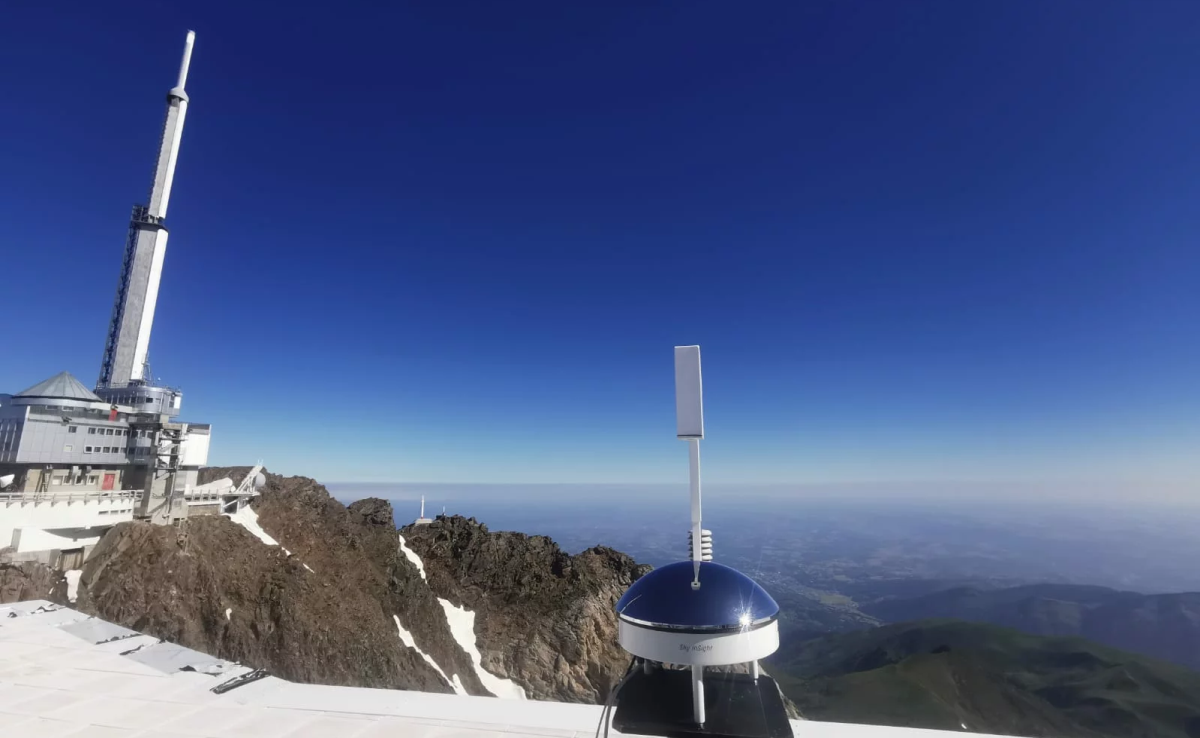
Sky InSight™ at the Pic du Midi, Pyrenees, France
24/7 sky observation
Continuous all-sky observation
Sky InSight™ is the first all-sky imager to use an infrared camera for observing the atmosphere both day and night. Thanks to this technology, there is no solar glare in the circum-solar region, which improves the reliability of observations and forecasts.
Advanced cloud observation and classification features
Advanced cloud features
Sky InSight™ offers advanced cloud observation capabilities, including cloud type classification, cloud base height, rain and fog detection, and cloud optical depth (COD).
A durable industrial product
A rugged, industrial-grade product
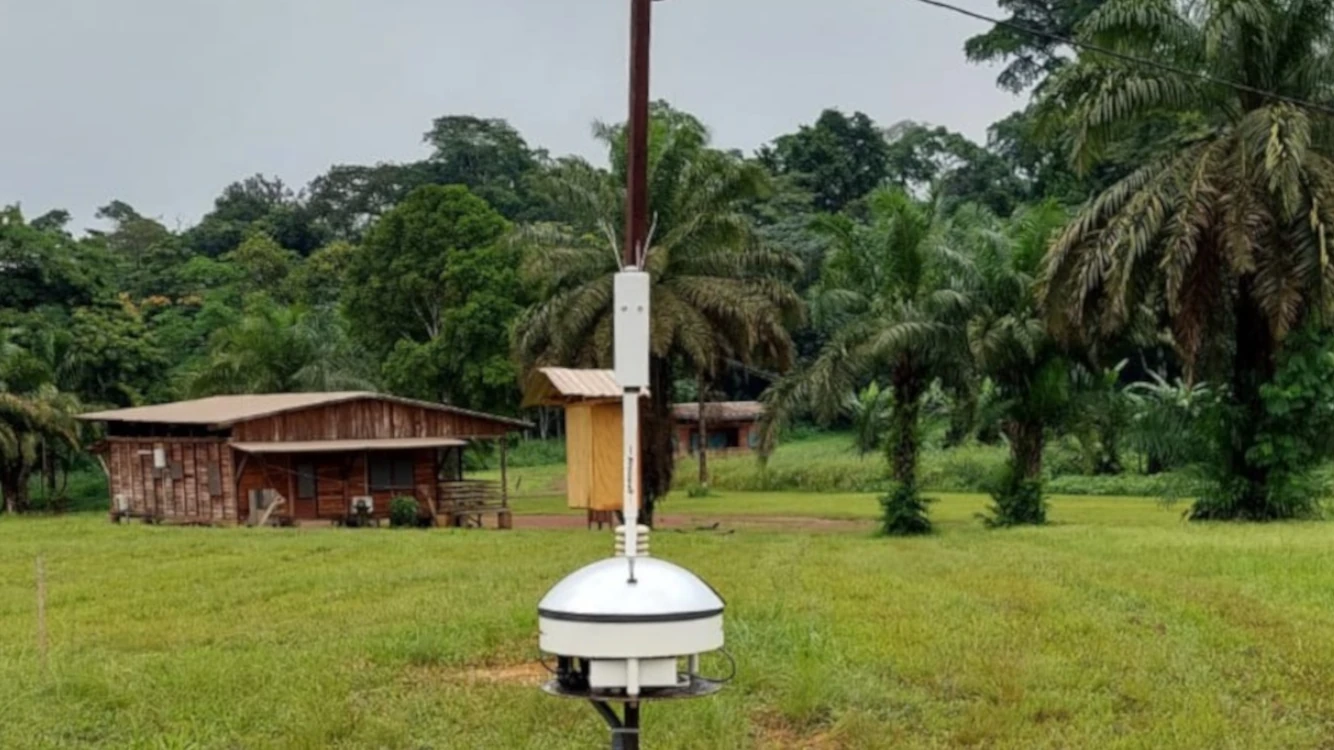
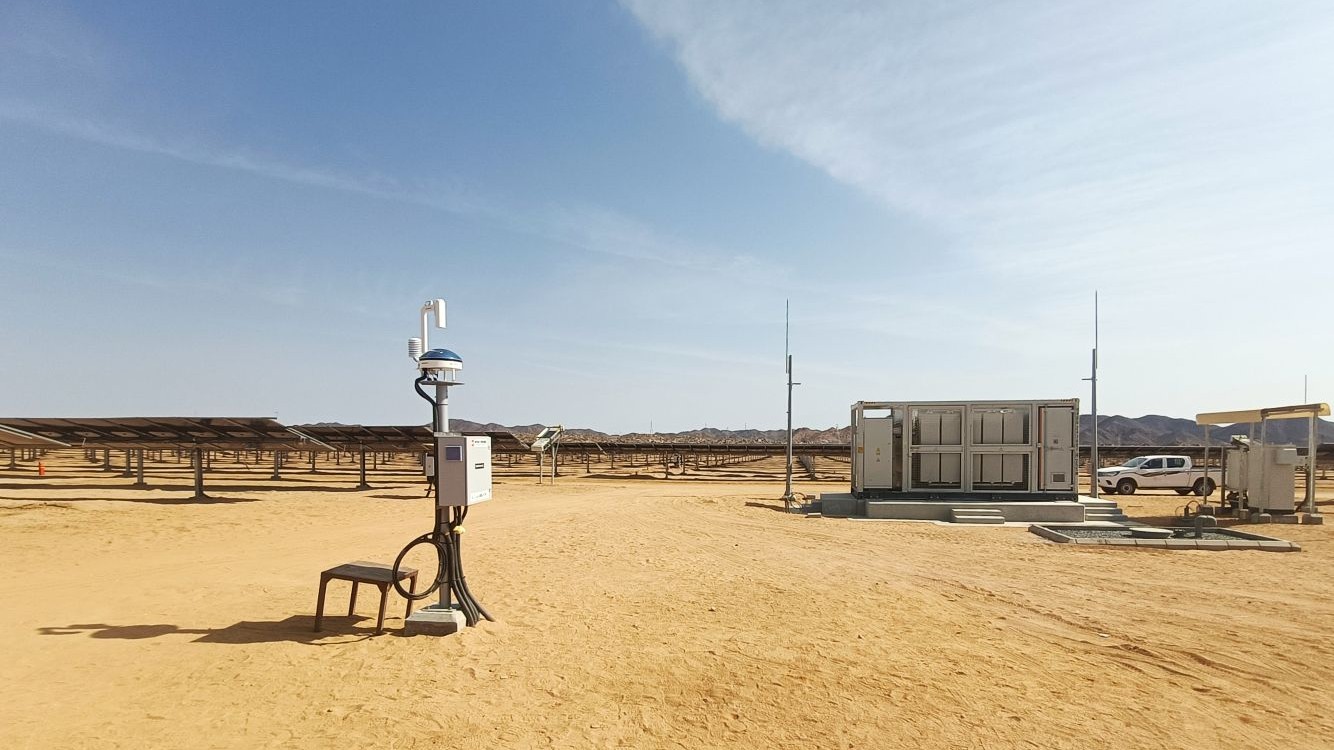
Born under the sun and sea spray of Réunion’s coastline, Sky InSight™ was designed for outdoor use in harsh weather conditions and a variety of geographical locations.
Sky InSight™ Technology: an infrared thermal camera for sky observation
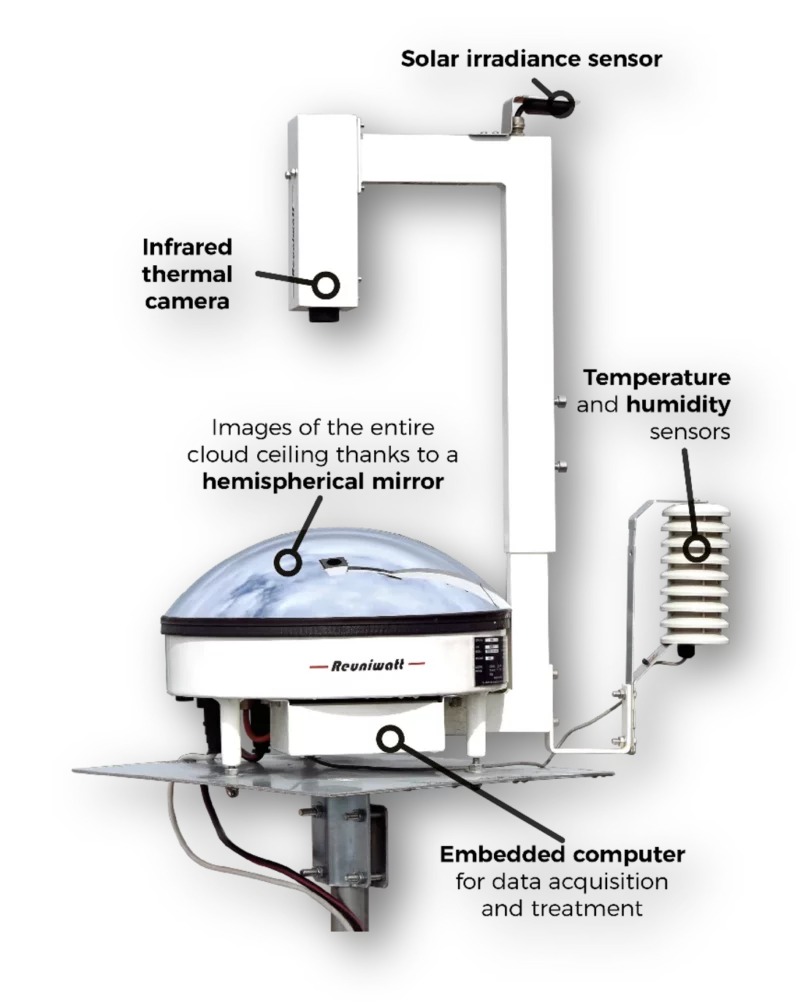
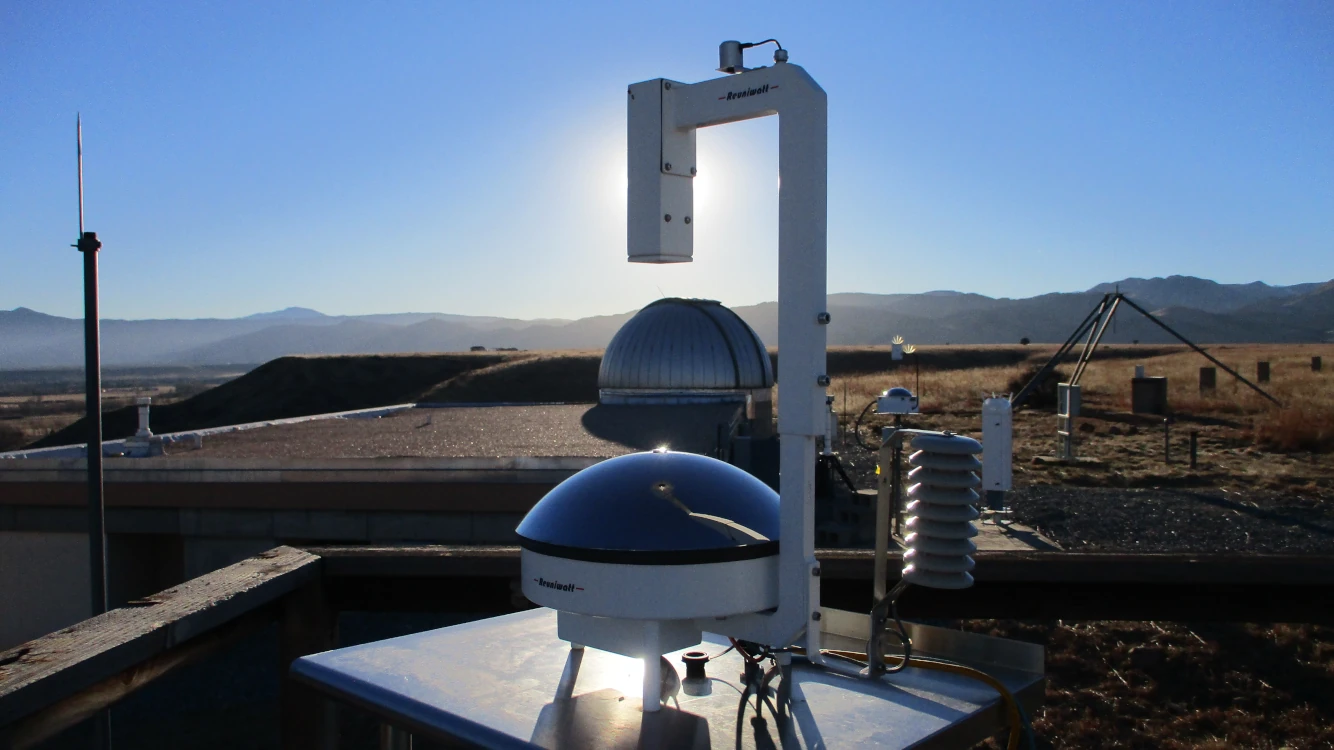
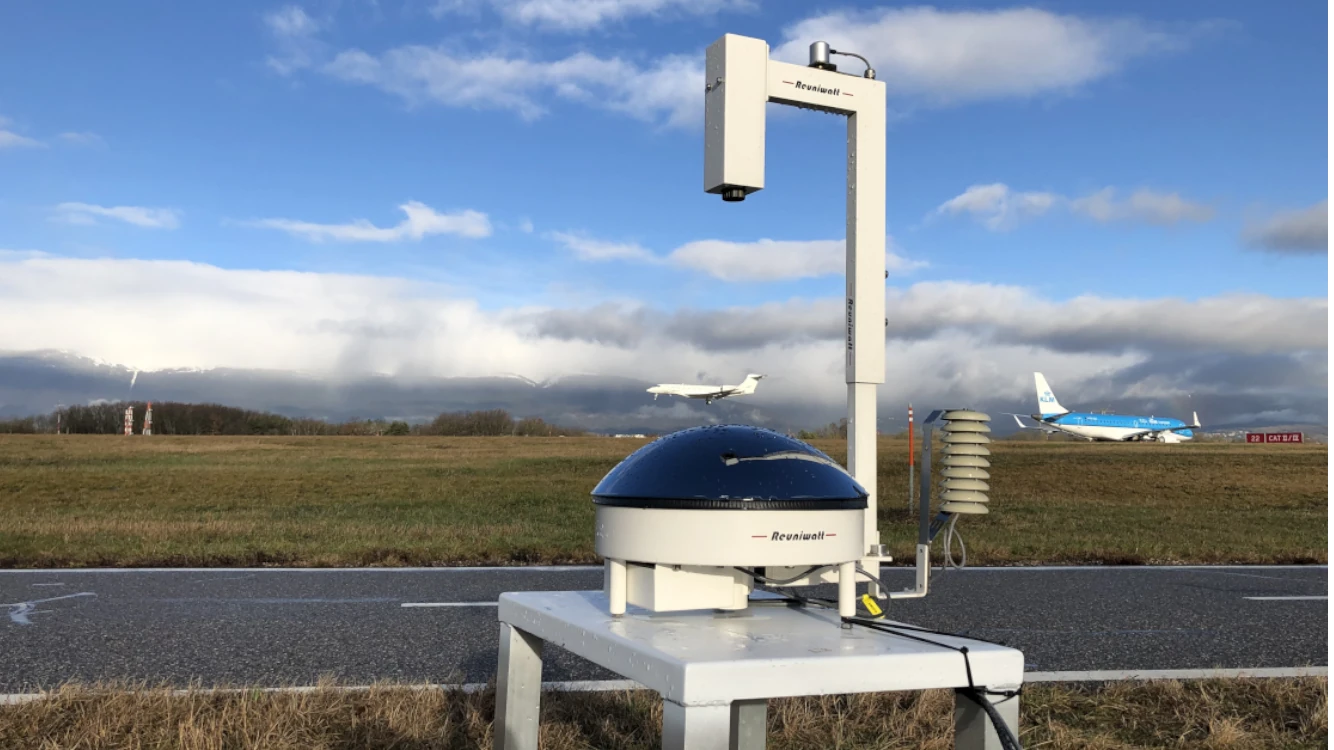
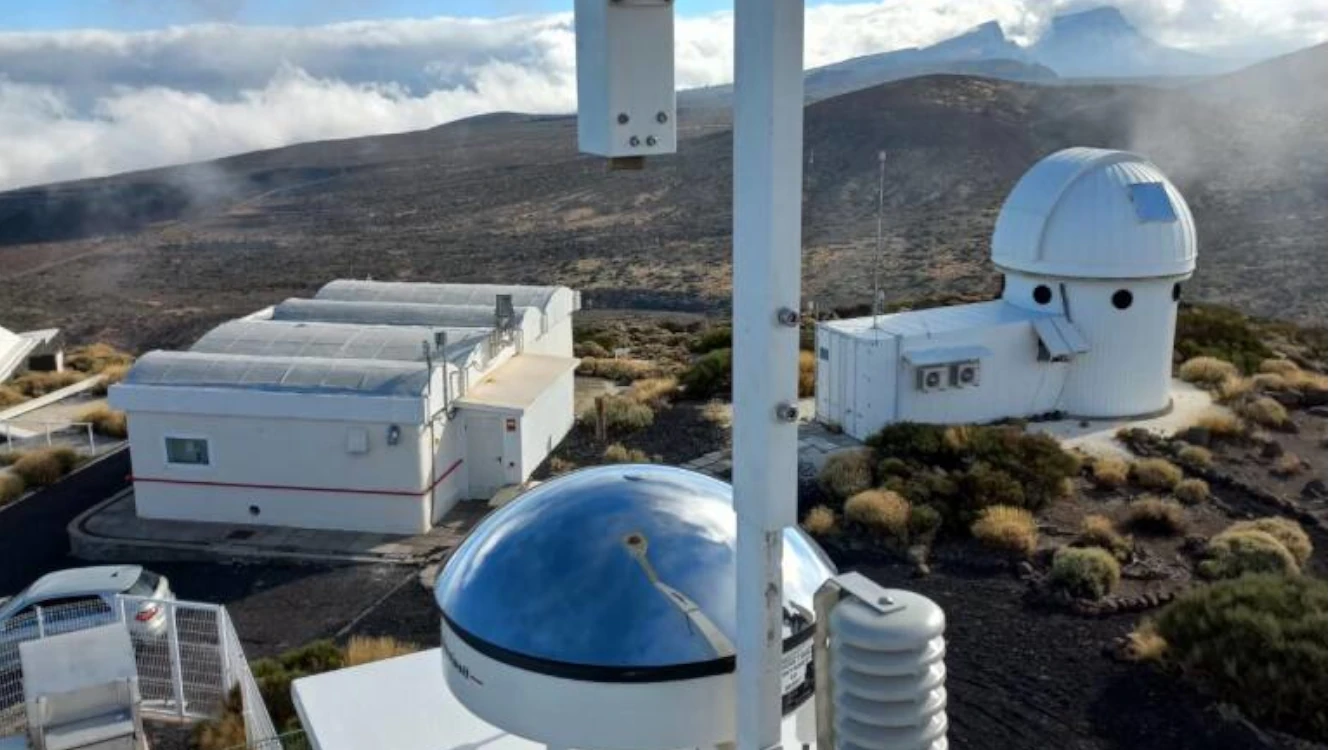
Sky InSight™ collects highly localized information about clouds passing through its field of view. An infrared camera films a hemispherical mirror to observe the sky over a 180° angle, covering a radius of approximately 2 km. Various cloud parameters are then derived from the sky’s temperature map.
Various meteorological sensors are also integrated into Sky InSight™: a solar radiation sensor, a thermometer, and a humidity sensor. All of this data helps optimize the algorithms for solar forecasting and cloud observation using ground-based imagery. The data acquisition and transmission system is directly integrated into Sky InSight™, thereby facilitating its operational deployment on-site. The use of the infrared camera offers numerous advantages, allowing for:
- Overcoming issues related to variations in brightness and contrast, ensuring stable performance under all conditions (dawn, dusk, storms, etc.).
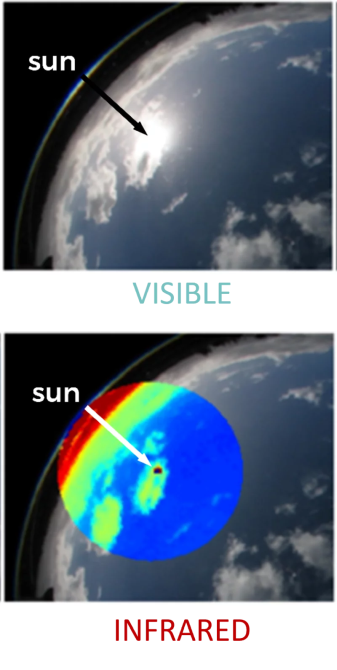
- Eliminating the overexposed area around the sun, known as the circumsolar region, which causes segmentation errors with conventional cameras (see illustration opposite).
- Gathering additional information on the altitude and optical thickness of clouds, enabling them to be classified based on their characteristics.
Sky InSight™ Applications
See also